Direct answer
Remote-control speed should be tested on the route you plan to use. A useful latency check names the device, network route, capture mode, input marker, desktop response, method, and review date. One benchmark is evidence for that run, not a universal claim.
Steps
Name the route
Record whether the session is Local Network, Private Mesh, or another approved route before comparing results.
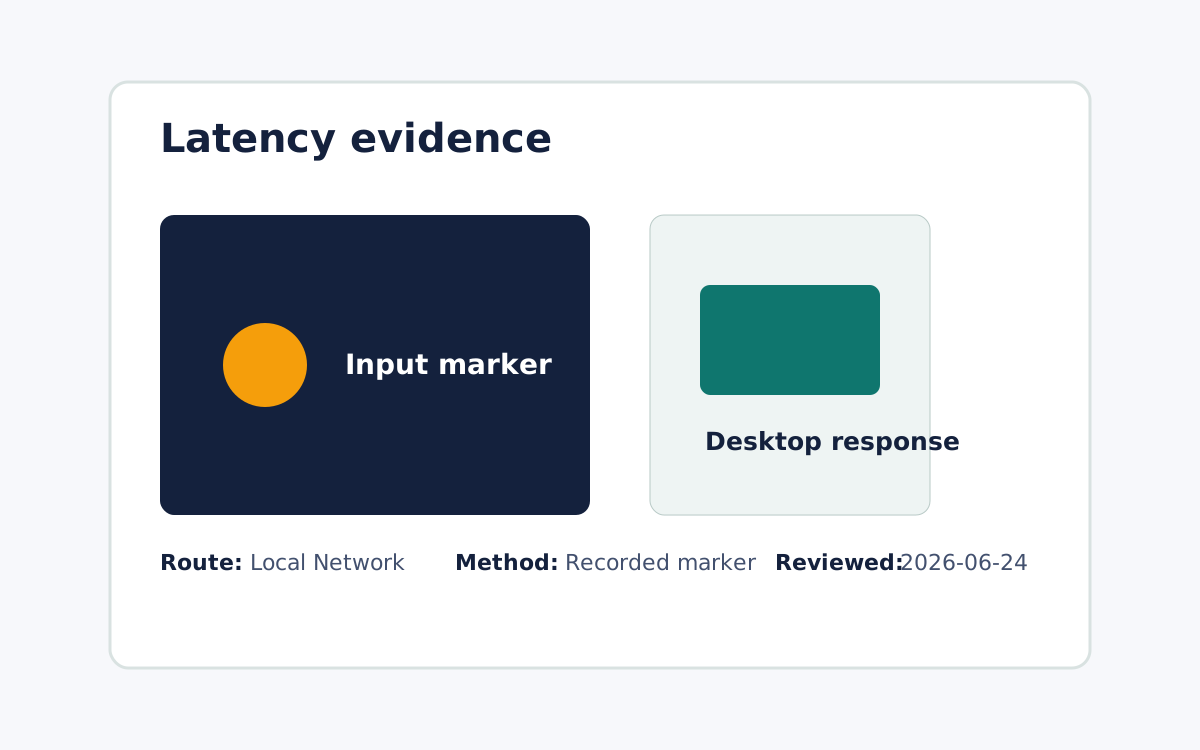
Record the method
Use a visible input marker and desktop response point so the test is inspectable later.
Keep the limitation attached
A same-network run does not prove every other route. Keep what was not tested visible in the article or evidence pack.
FAQ
Can ad copy promise latency is absent?
No. Use low-latency only with tested conditions and proof references visible to the reviewer.
What should I do when a session feels slow?
Check route state, browser support, OS permissions, network conditions, and quality mode before assuming the product or user is at fault.